Readers, Welcome to my blog (formerly Birds, Blooms, Books, etc). I'm entering a new decade taking on the challenge of moving from Maryland after living there 46 years and learning about my new home here in New England in the Live Free or Die state - New Hampshire. Join me as a write this new chapter of my life.

Tuesday, May 8, 2018

Speyer - Part 3

This is my last post on my visit to Speyer and probably the most fascinating part of this town's history.

Quoting again from The Daily Cruiser we received each night:

"The first Jewish community emerged in Speyer at the instigation of the bishop.  In 1084, Bishop Rudiger Human invited Jews to move to Speyer and settled them in the former suburb of Altspeyer which he had surrounded by a wall for their protection.


Along with this invitation, the bishop granted the Jews the rights and privileges which went well beyond contemporary practice.  They were confirmed by the emperor Henry IV I 1090 and became an example for Jews' privileges in many cities in the empire.


A Jewsih quarter soon also developed next to the bishop's district near the cathedral.  Its center, the Jew's Court, contained men's and women's synagogues and the Mikveh (ritual bath).  The ruins of the Speyer Synagogue are the oldest visible remnants of such a building in Europe.


What the synagogue would have looked like outside and 


inside.


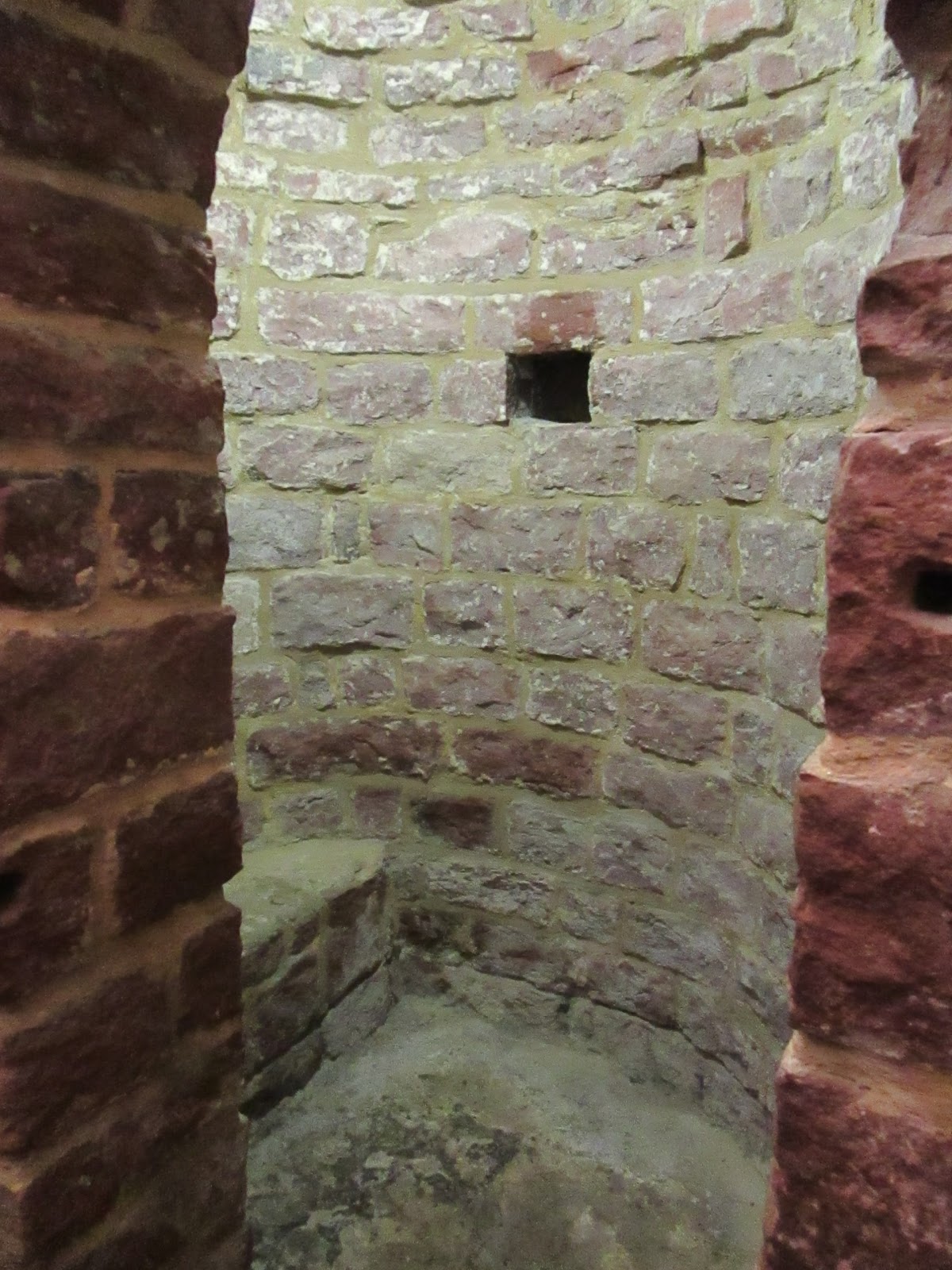
The Mikveh (below) first mentioned in 1126, has remained unchanged to this day and is still supplied by fresh groundwater.




"For two centuries, the Speyer Jewish community was among the most important of the Empire and in spite of pogroms, persecution and expulsion, had considerable influence on Ashkenazi culture and the spiritual and cultural life of the town.  Nevertheless, anti-Semitism and persecution were no less violent in Speyer than in other places and the Jewish community shared the fate of most.  The Yiddish surnames Spira, Shapira and Shapiro possible derive from Shpira, the Hebrew name for Speyer".

I asked the guide what happened to the Mikveh in the time of the Nazi and the answer was nothing.  It was not purposely destroyed as synagogues were.  It was likely used for storage.

Sunday, May 6, 2018

Speyer - Part 2

This is a continuation of my description of the German town of Speyer.  See here for Part 1.

On our bed each evening on the river cruise was the Daily Cruiser.  I'm going to quote from that for the history of Speyer.

"Speyer is a lovely town of 50,000 inhabitants in the German state called Rhineland-Palatinate.  It is one of Germany's oldest towns, founded by the Romans.  However it was the year 1024 that marked a decisive event in the history of the town.  In Oppenheim near Mainz, Konrad II, a Salian emperor from the Speyer district was elected King of Germany, drawing Speyer into the center of imperial politics and making it the spiritual center of the Salian kingdom.


Nothing more could express this importance than the construction of the mighty cathedral.  The laying of the foundation stone was the decisive impetus for the further development of the town.  The cathedral was consecrated in 1061 although only completed in 1111.  It was the largest church of its time, and its its monumentality and significance, symbolized imperial power and Christianity.  It became the burial place of eight German emperors and kings.  With the Abbey of Cluny in ruins, the Speyer Cathedral remains the largest Romanesque church to this day."


Outside in the plaza in front of the cathedral is this mammoth bowl.  It's a sandstone wine bowl, traditionally filled with local wine for the citizens to toast new bishops.  Our guide said that bishops are serving longer these days so the town finds other occasions to serve wine from this bowl.

By the way the gentleman in the hat at the bowl was from our ship.  He opted for the gentle walkers tour and he had a personalized tour since he was the only one.  A nice accommodation that Ama Waterways provides.


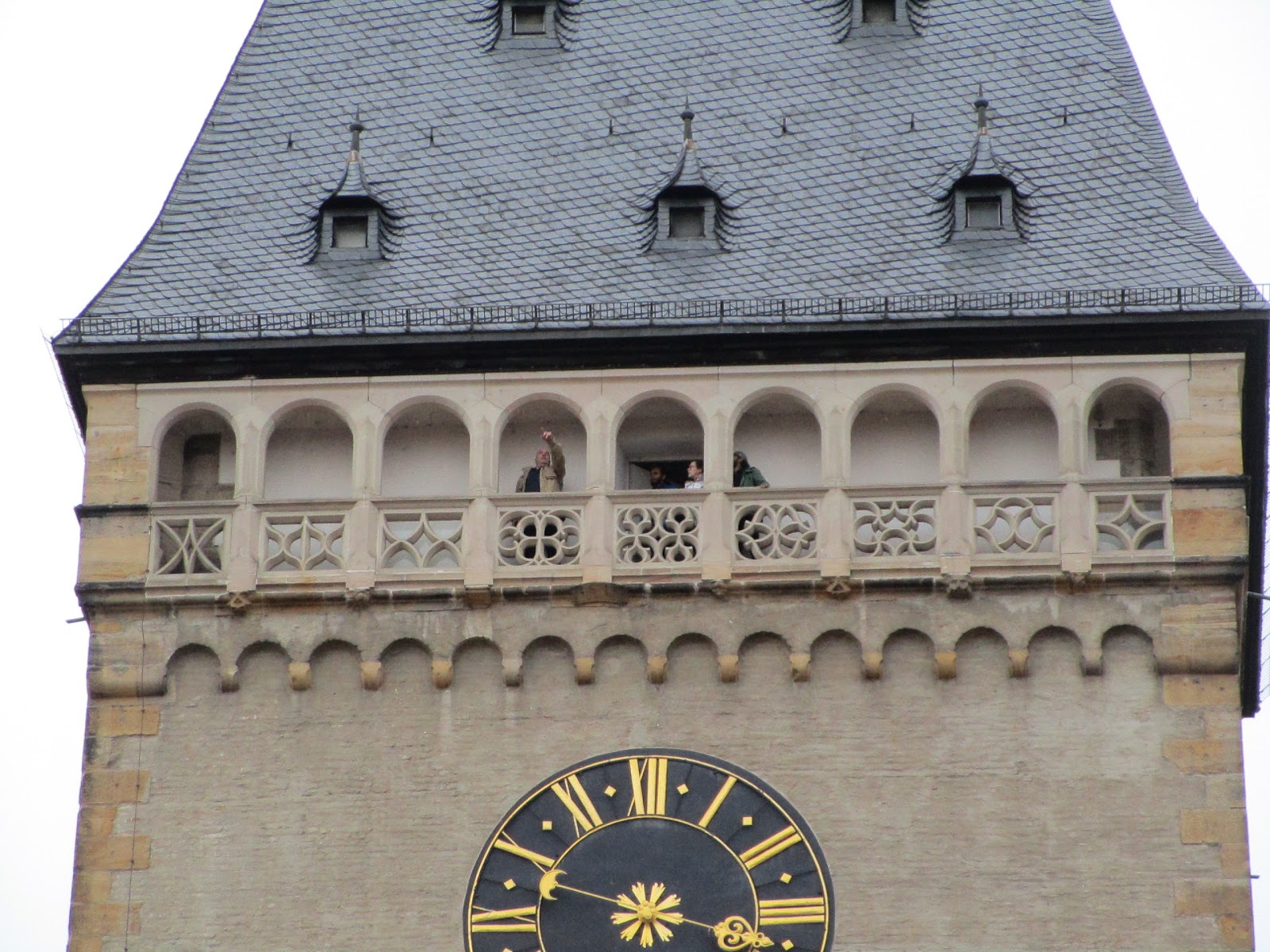
Opposite the cathedral is the Altportel (Old Gate).


Looking in another direction from the plaza was a museum with an exhibit on Richard the Lionheart. He had a connection to Speyer and my memory is fuzzy whether it was his mother or grandmother.


Town colors pop out as you walk the streets.  There were many people out because it was a holiday but no stores open except the ice cream and coffee shops.


When I caught up to the guide again after being barred from entering the cathedral for the service they were just entering this Lutheran Church which was undergoing restoration.


The guide left us to explore on our own for 45 minutes and then to meet back at the wine bowl.

I choose to walk the streets.  There were many other church spires but several were closed up tight and not even churches anymore.


The guide said Germans support their churches be designating their denomination (Protestant or Catholic) on their tax returns and then are tax 7% (may not be accurate).  Many Germans have given up church attendance as a result.


I walked to the Altportel and found it opened.


I saw others up at the top and decided to climb it too.


Here's the view.


Back on the ground and almost time to meet the guide again.


One more post to come on Speyer that the guide shared with us.

Saturday, May 5, 2018

Speyer - Part 1

I opted for the tour of Speyer on Good Friday. It was described as one of Germany's oldest cities.  It's known for its Romanesque cathedral, the largest of its kind in Europe and its 13th century gate tower.

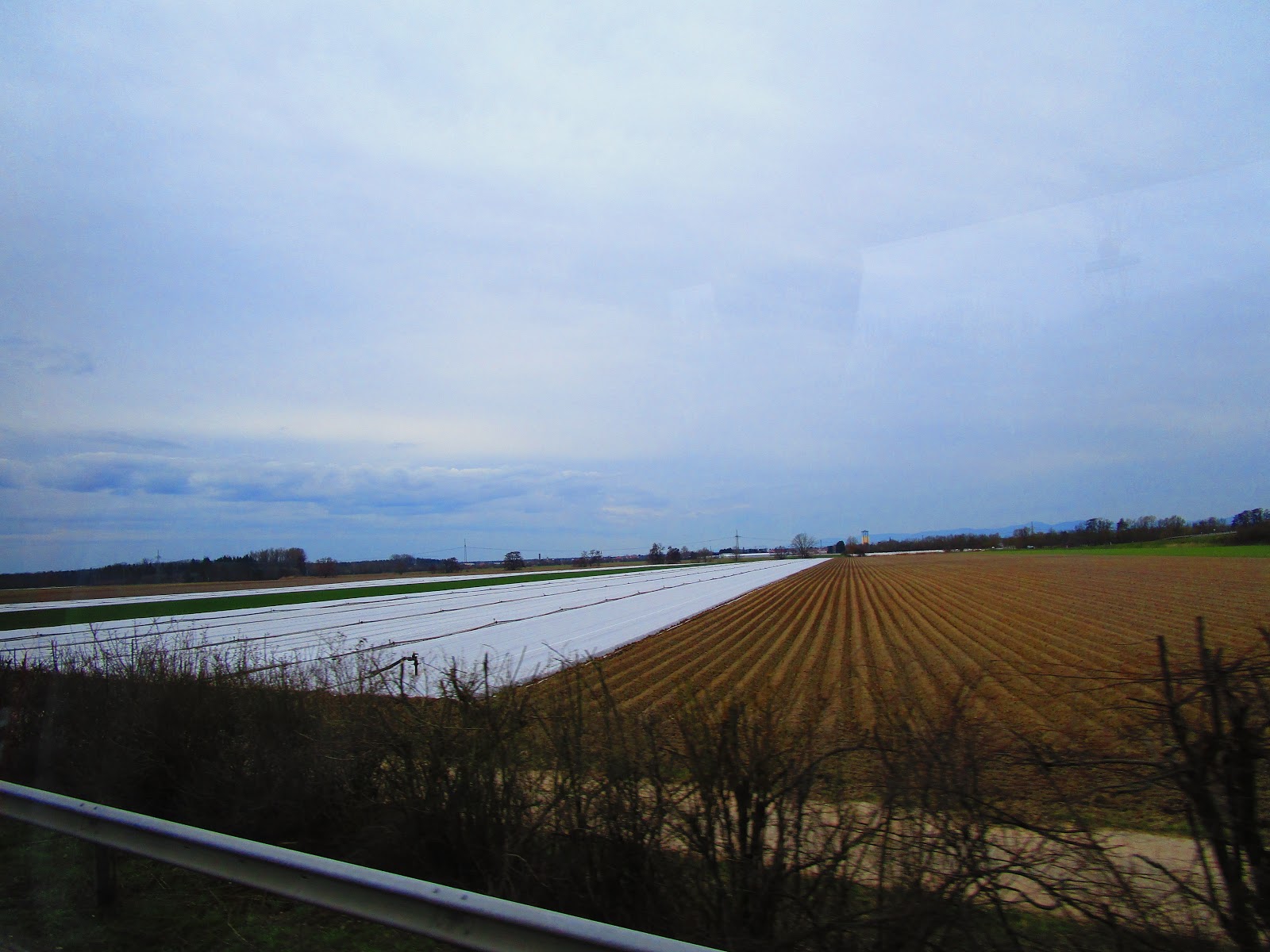
It was a bus trip from our ship and because traffic was light for the holiday it took less time to get there than planned for.  The guide on board pointed out the asparagus fields as we passed them by,


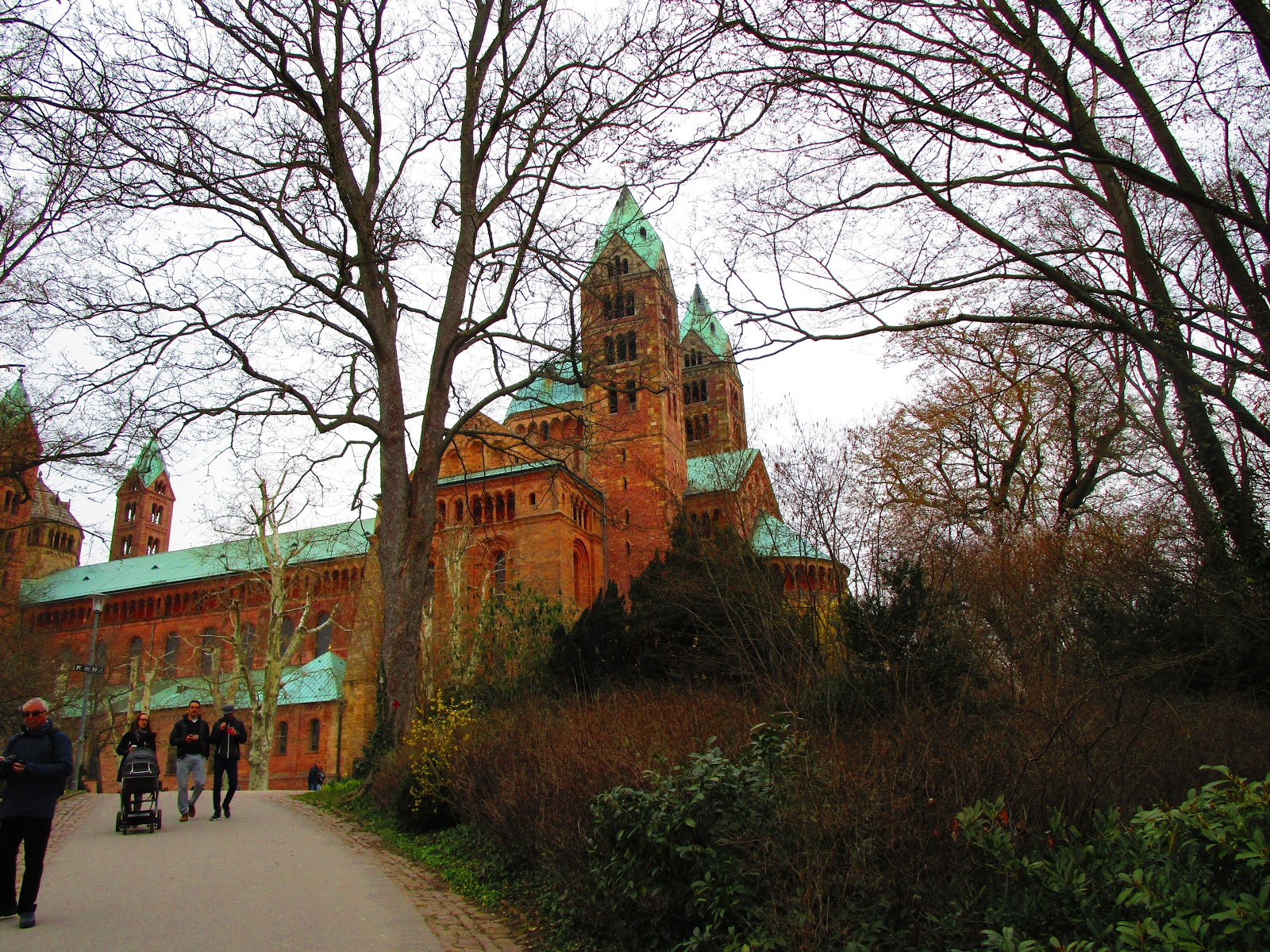
First sighting of the huge cathedral, Domschatz.


You can tell from all the varieties of towers and spires that it was built in many stages and styles.


This wall below is the oldest.


Look at this flying buttress.


I have no photos of the inside of this church because the sexton wouldn't let me enter.  The church was closed to tours because of a 3 o'clock service but our guide said we could attend the service if we chose to.  At 3 I left the group to return to the church, but was turned away.  No one in the group was allowed in.  I even had a German speak to the sexton, who spoke no English and they received the answer that the service was only for members.  I didn't know how he was distinguishing between members and non members.  I've never heard of any church doing this.  I returned to the group tracking them down because I could hear the guide's narration as I got closer.  The guide was very upset to learn we had been prevented from entering.


More on Speyer in another post.